




Why invest in custom insoles?
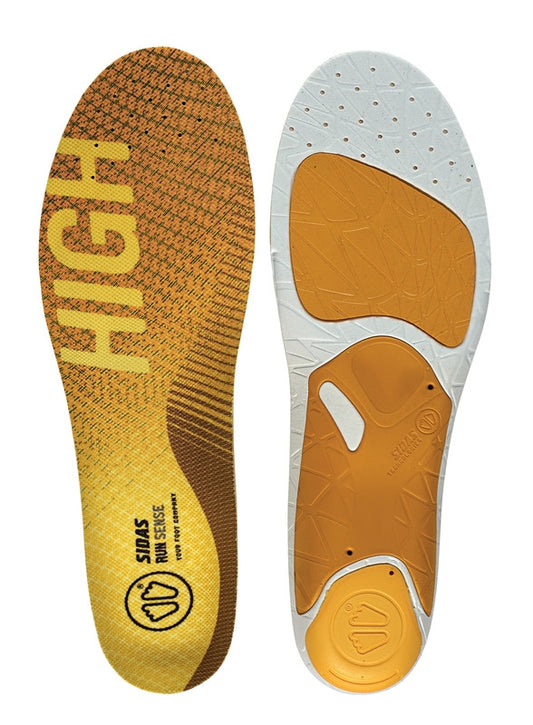
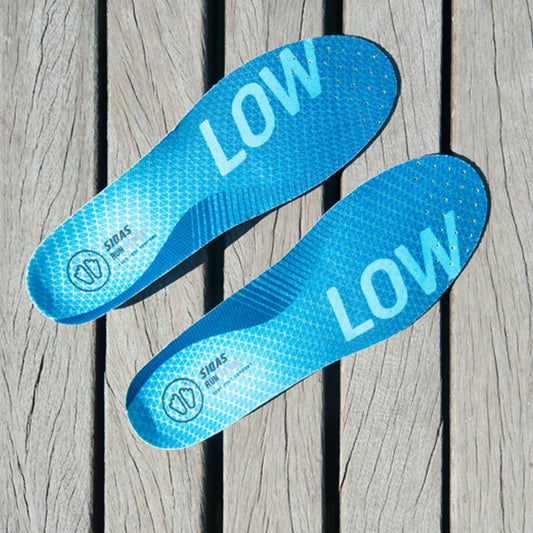
Every shoe — whether designed for sports, walking, city life or everyday use — puts strain on your feet: repetitive pressure, pressure on the heel or forefoot, friction, uneven terrain, fatigue or prolonged posture. A poor-quality (or standard) insole is often not enough to guarantee comfort, support and protection. An insole designed for the foot distributes pressure, cushions shocks, supports the arch of the foot and improves alignment and posture — whether for sport, walking or a day spent on your feet. With Sidas insoles, you can give your feet lasting support and optimal comfort in all circumstances.
What Sidas insoles offer in practical terms
-
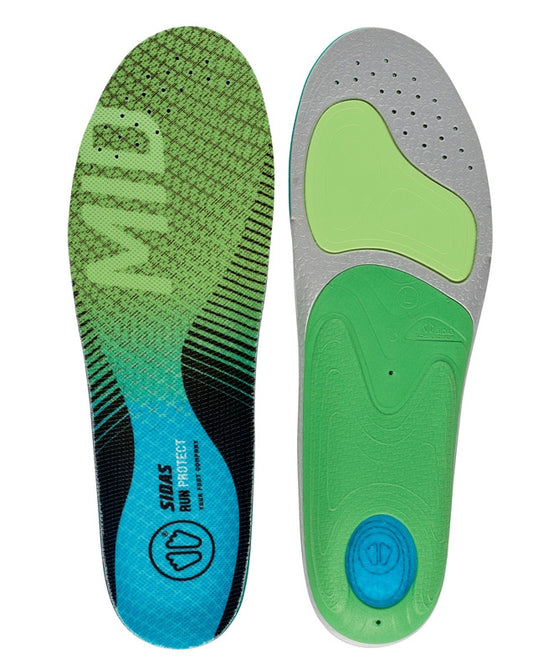
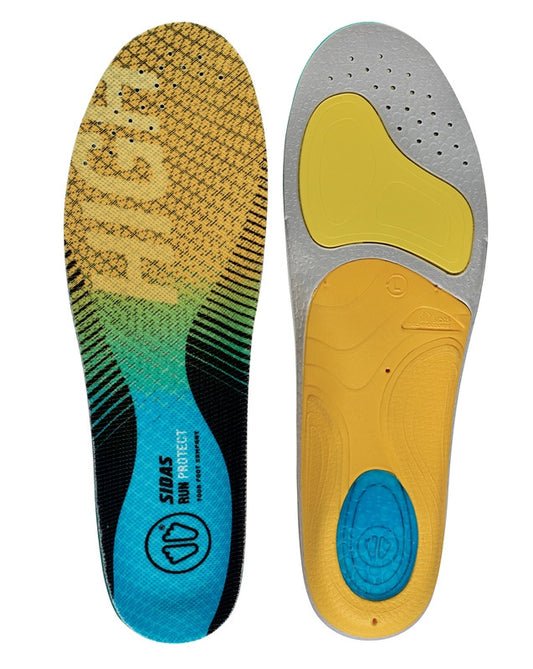
Cushioning and shock absorption — Many models (gel, foam, EVA, shock-absorbing inserts) reduce the impact on the ground and the energy transmitted to the joints. This protects the ankles, knees and back — useful for sports, walking or intensive use.
- Arch support & stability — Anatomically shaped, heel support and arch support improve foot balance, reduce twisting, prevent imbalances and promote healthier posture.
- Everyday comfort & versatility — Whether for walking, standing at work, city life, sports or leisure — Sidas insoles are designed to adapt to a wide range of uses. Some are thin, breathable and lightweight; others offer more cushioning or support depending on the use.
- Reduced fatigue, better posture & pain prevention — By improving pressure distribution and foot alignment, the insoles help to reduce muscle fatigue, joint or foot pain, and potentially conditions related to repetitive stress or poorly supported feet.
Who are Sidas insoles for?
- Anyone looking for more comfort in their shoes — whether for city life, work, daily walking, or after a day on their feet.
- Athletes — runners, trail runners, hikers, skiers, multisport athletes — who want cushioning, stability, and support tailored to their activities.
- People with special needs: flat feet, high arches, sensitive feet, history of injury, or joint fragility.
- For those who use several types of shoes — city, sports, leisure — and want a versatile solution without having to buy multiple insoles.
- For those who want to extend the life of their shoes and improve overall comfort — by replacing the original insole with a quality insole.
Expert advice & best practices
- Choose the right insole for your use and foot — Thin and comfortable for city and everyday wear; cushioned and supportive for sports, running or intense activities. Some insoles are even customisable or thermoformable to adapt to the shape of your foot, after consultation with a professional.
-
Remove the original insole before installation — To avoid excess thickness and ensure a good fit and support for the foot.
- Test gradually when inserting into new shoes — An adjustment period may be necessary, especially if the insole provides support or correction (arch, posture).
-
Maintain the insoles — Light cleaning (mild soap + brush), air dry, avoid radiators — to preserve cushioning, shape and durability.
- Match insole + shoe + use — The right compromise guarantees comfort, performance and longevity, prevents pain and maximises foot well-being.
FAQ (frequently asked questions)
Why replace the original insole of a shoe?
Because original insoles are often generic, provide little cushioning, offer little stability, or are unsuited to the shape of the foot. A Sidas insole offers a real improvement in comfort, support, cushioning and durability.
Can all shoes accommodate Sidas insoles?
Yes, most of them. Simply remove the standard insole and adjust the Sidas insole to the size. Some models are better suited to thin insoles; sports/multisport shoes with more technical soles.
Is one insole suitable for all uses (city, sport, walking, everyday)?
Yes — the Sidas ranges cover a wide spectrum of uses: everyday/city, sport, hiking, skiing, multisport. The right model depends on the type of shoe and the use.
When should you replace your insoles?
When the cushioning disappears, the insole becomes deformed, loses its support, or when pain/discomfort appears: as with shoes, monitor wear and tear and the impact on comfort.