

Why ski protection is essential
When you put on your ski boots for a day on the slopes, your feet, shins, malleoli and toes are subjected to significant stress: intense pressure, repeated contact, friction, impacts, lateral pressure — especially when freeriding, skiing intensively or on long days. Without proper protection, this can cause blisters, black toenails, irritation, pain or discomfort. Ski protection (toes, heels, shins, malleoli, customised insoles, etc.) acts as a barrier against pain, irritation and fatigue, allowing you to ski more comfortably for longer without compromising performance.
What SIDAS protection offers — comfort, prevention and safety
-
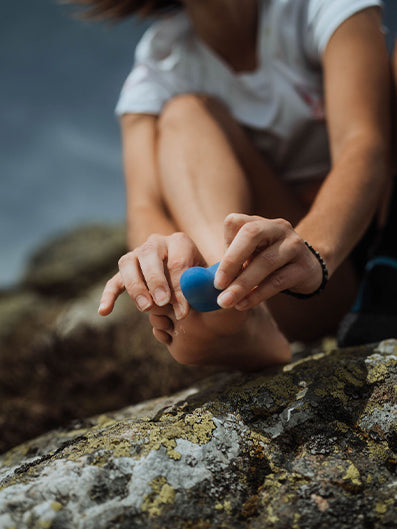
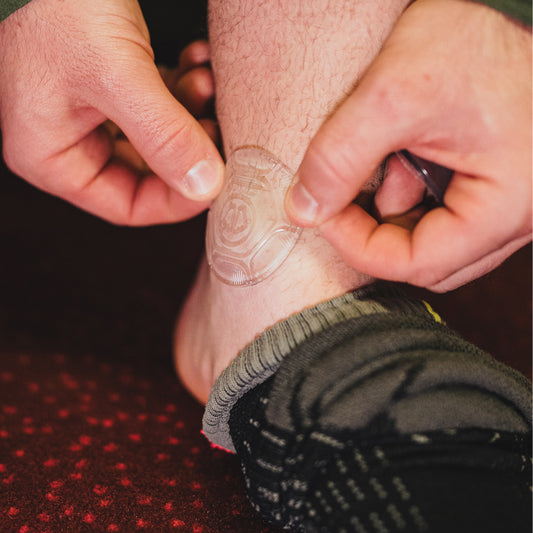
Targeted protection for sensitive areas — Toe caps, heel protectors, malleolus protectors and gel shin guards provide padding at pressure points (toes, shins, malleoli) to prevent black toenails, irritation, bruising and excessive rubbing.
-
Reduced friction and pain — Thanks to flexible, thin and adapted materials (gel, silicone, Silitène™), the protectors act like a ‘second skin’: they limit internal friction, reduce sensitive areas and increase comfort in the boot, even over several hours.
-
Improved comfort and fit in the boot — Some protectors (e.g. shin guards) are designed to stay in place under the sock without slipping, for stable and lasting support. This ensures comfort and safety during turns, jumps or sporty descents.
-
Prevention of injuries and burning or shock sensations — In rigid boots, repeated pressure on the shins or malleoli can become painful — gel protectors cushion these impacts, reducing the risk of bruising, haematomas or skin irritation.
- Improved overall experience — more enjoyable, longer-lasting skiing — With the right protection, skiers can stay on the slopes longer and enjoy themselves to the fullest, without discomfort, fatigue or pain — which promotes enjoyment, consistency and loyalty to the sport.
Who are these ski protectors for?
- Regular or intensive skiers — those who go on long runs, have long days or go out frequently and want to avoid pain or discomfort associated with boots.
- Sensitive skiers — those with fragile feet, a tendency to blisters, black toenails, irritation or shin pain — for whom protectors provide real comfort.
- Technical skiers, freeriders, backcountry skiers or committed skiers — where the strain on the feet and legs is greater, and therefore the need for comfort and protection is increased.
- Anyone who considers skiing to be a pleasure — for whom every detail (soles, socks, protection) counts in maximising comfort, safety and performance.
Expert advice & best practices for using ski protection
- Put on the protection before putting on the boot — toes, heel, shin or malleolus: position them correctly (under the sock if necessary) so that they stay in place.
- Check the fit of your ski boot—protectors + insole + sock + boot = a complete ensemble; make sure the boot closes properly without excessive compression.
- Check the condition of your protectors regularly—gel, silicone and foam can wear out: check that they retain their shape and comfort to prevent slipping or loss of effectiveness.
- Combine with suitable insoles and socks — protection is just one element of the ‘foot + boot + comfort’ package: suitable insoles, technical socks, etc. maximise effectiveness.
- Adapt to your use — short outings, long days, extreme conditions: the right type of protection (toe, shin, malleolus, etc.) makes all the difference depending on your skiing experience.