


















Why trail socks are a key element
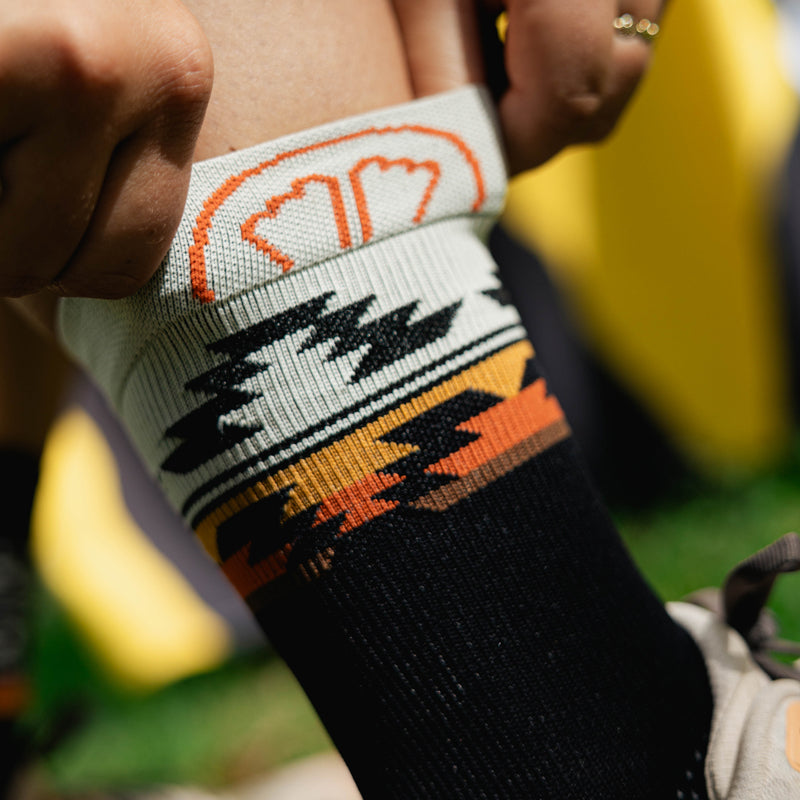
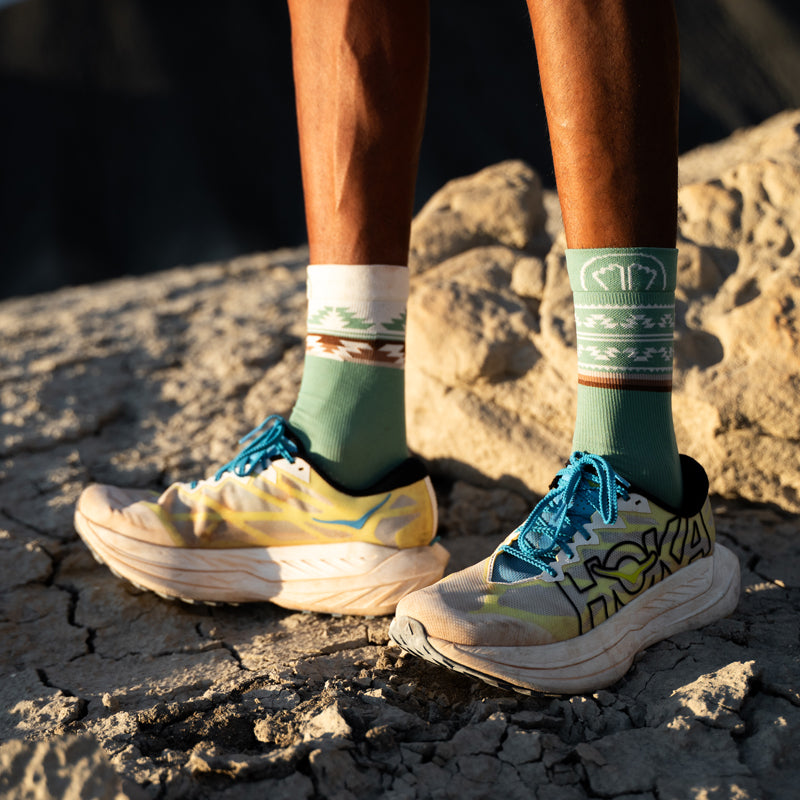
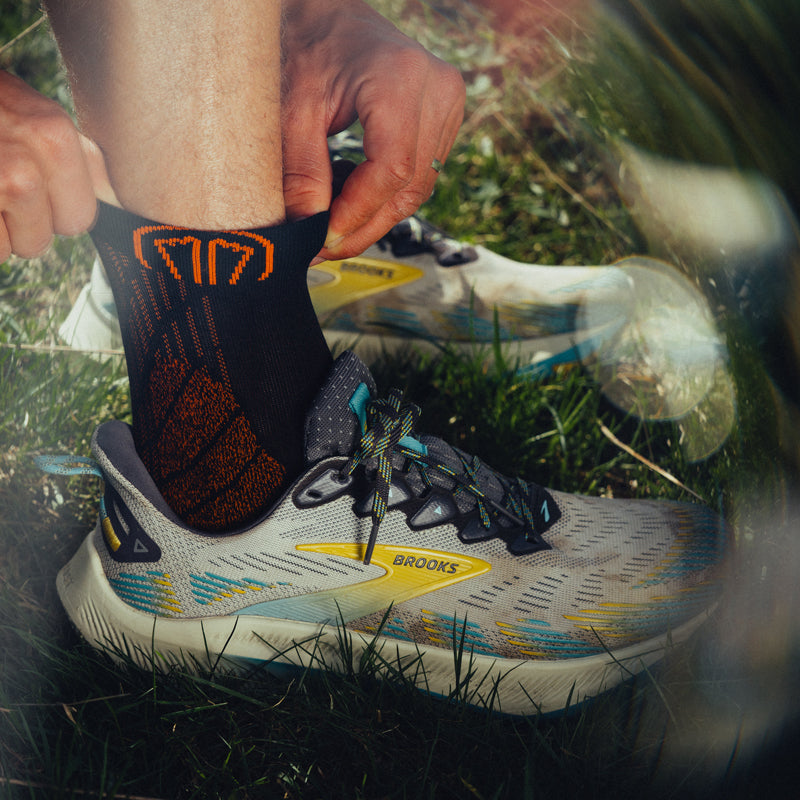
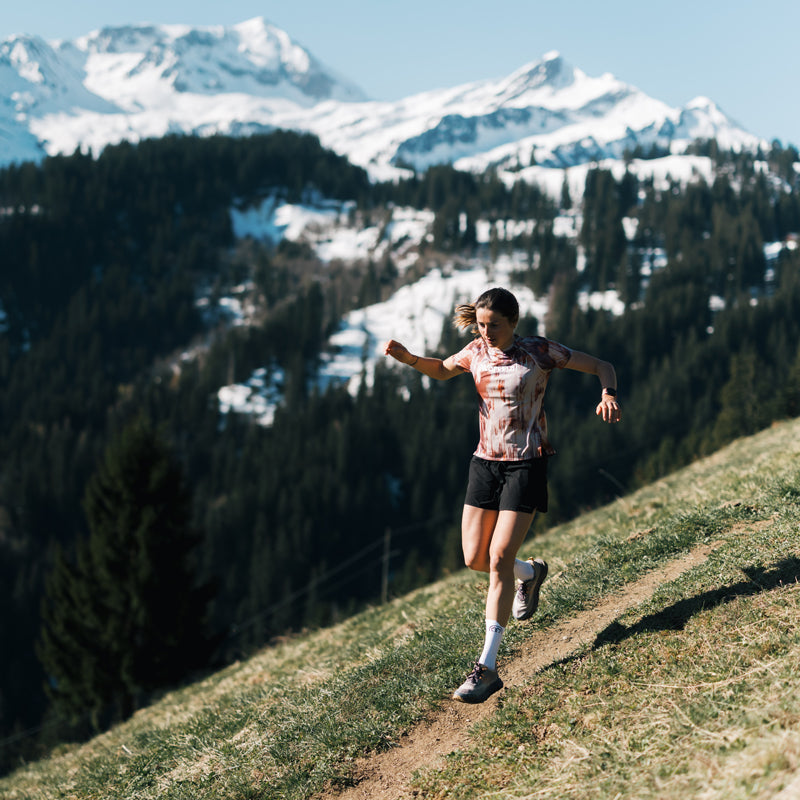
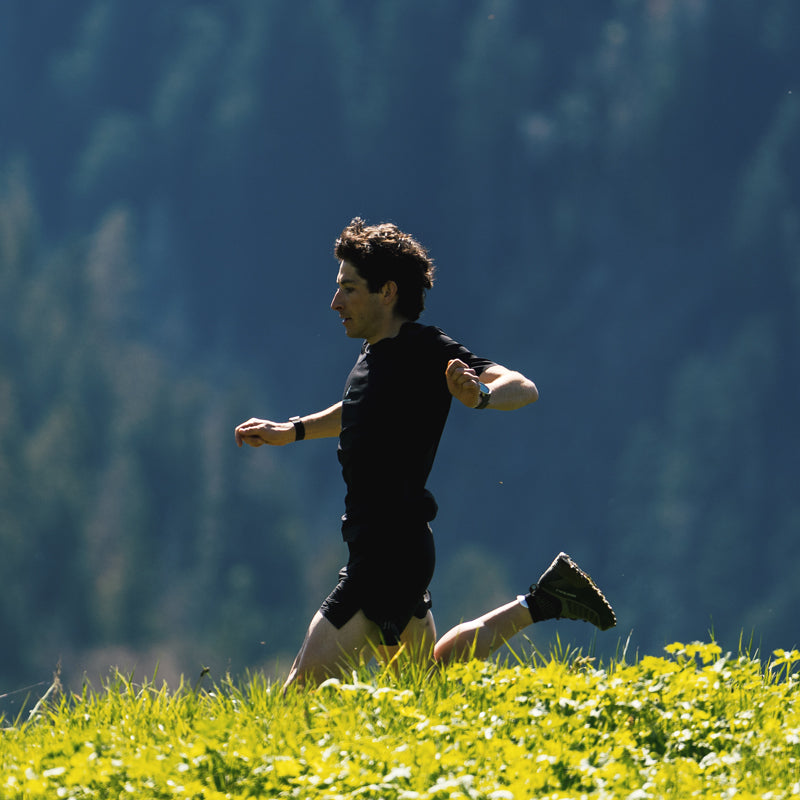
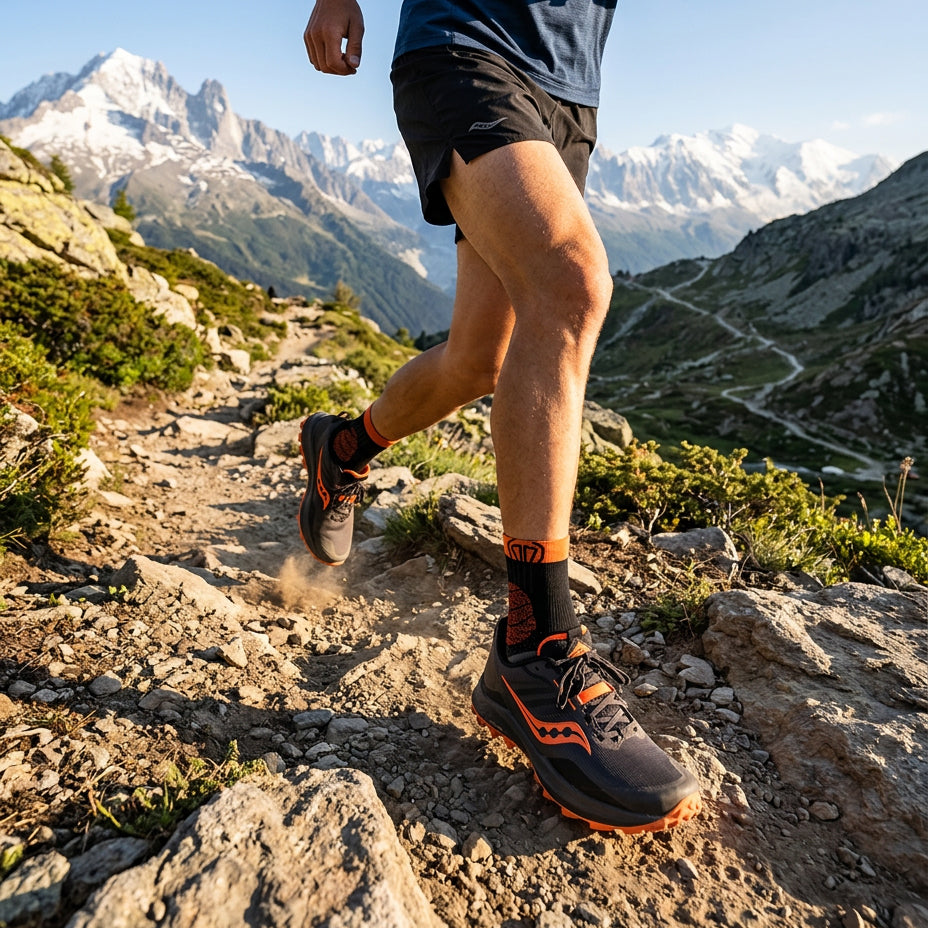
Trail running involves running on varied terrain: dirt, roots, rocks, uphill, downhill, mud, streams, heat or changing weather conditions. In this context, your feet are subjected to perspiration, friction, uneven footing, debris, humidity and temperature changes. Wearing conventional socks often leads to blisters, irritation, discomfort, poor support or wet feet. A good pair of well-designed trail socks is essential: they improve comfort, support, breathability and protection, allowing you to run longer, further and with more enjoyment.
What Sidas trail socks offer
-
Moisture management & breathability — Sidas trail socks use technical fibres (synthetic blends ± merino wool depending on the model) that quickly wick away perspiration, keep your feet dry and reduce the risk of blisters.
-
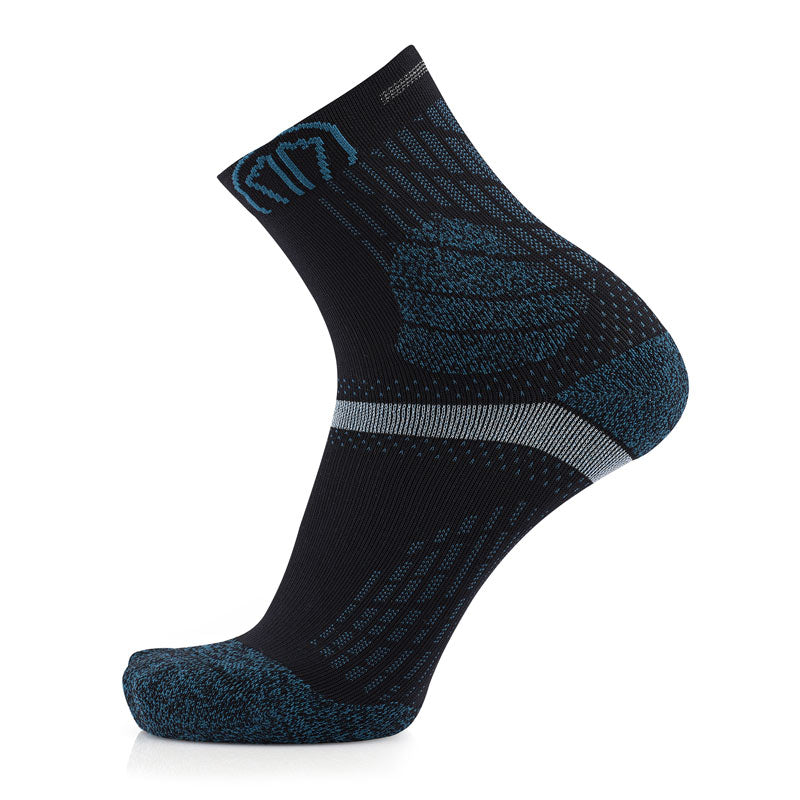
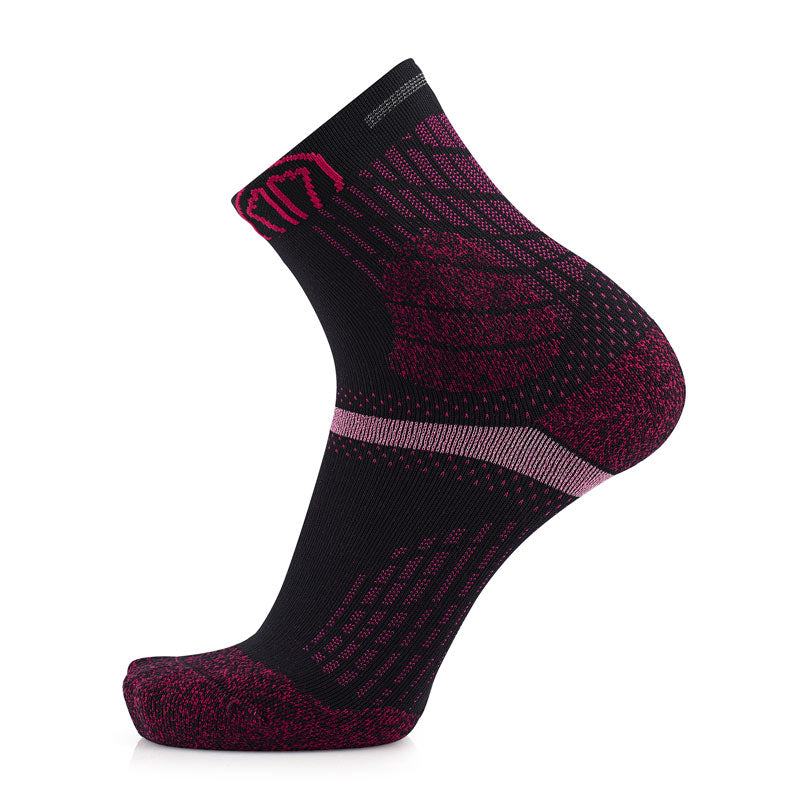
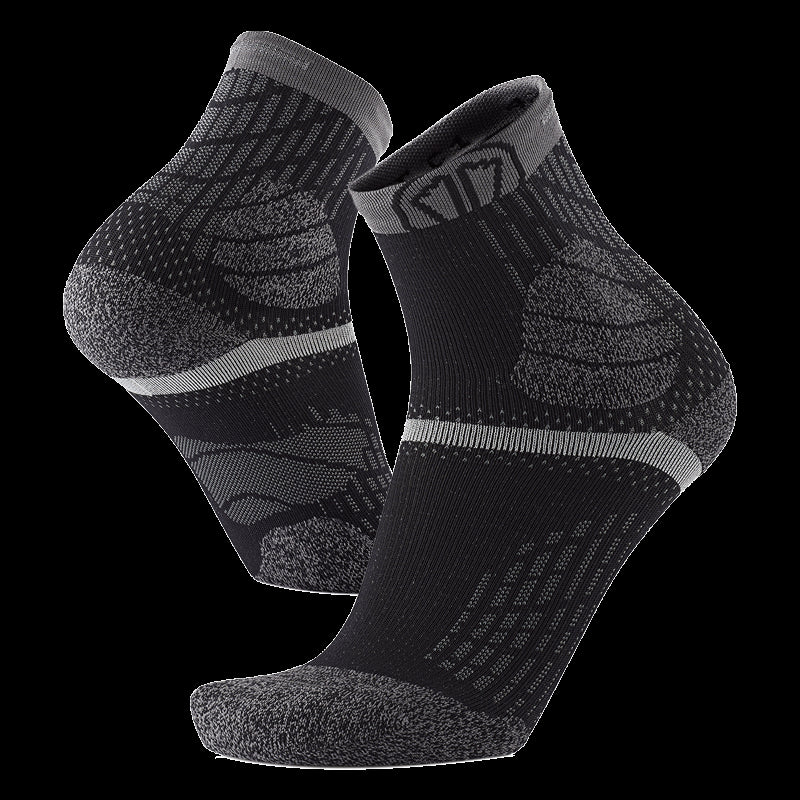
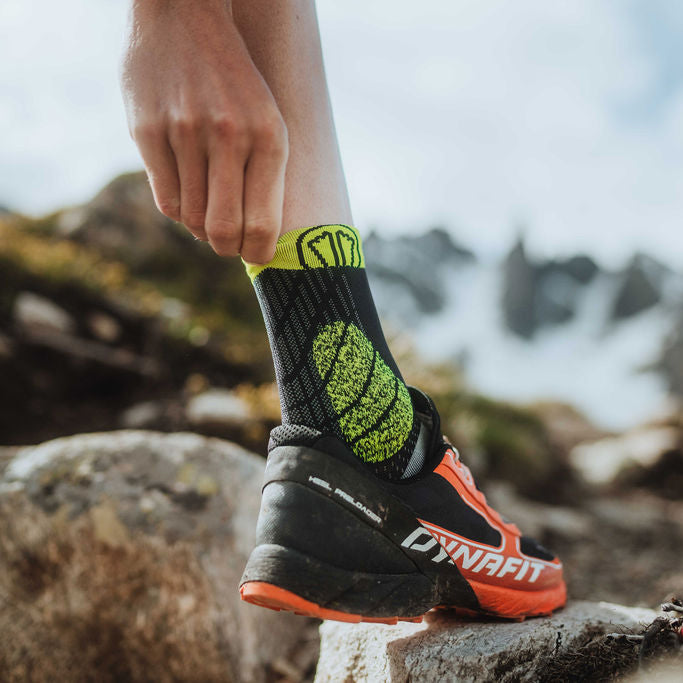
Protection & comfort on technical terrain — Thanks to reinforced or padded areas at the heel, forefoot, and around the ankle, they absorb shocks, protect against stones, roots, and uneven ground, and limit irritation.
-
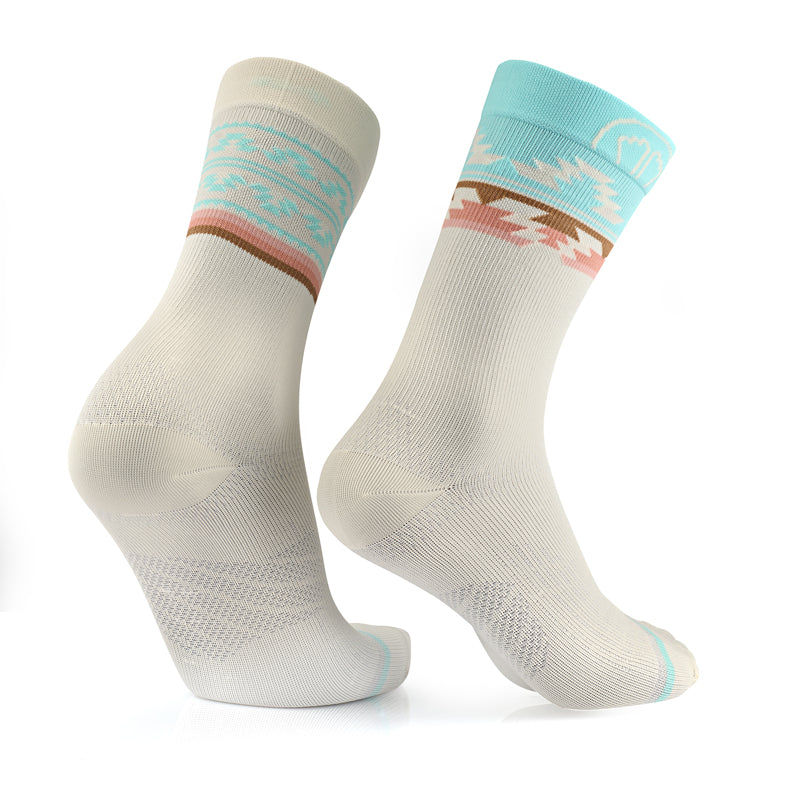
Foot support & stability— A good trail sock moulds to the shape of the foot, prevents creases and ensures a precise fit (often anatomically designed for the right/left foot), which stabilises the foot in the shoe—essential on unstable or technical terrain.
-
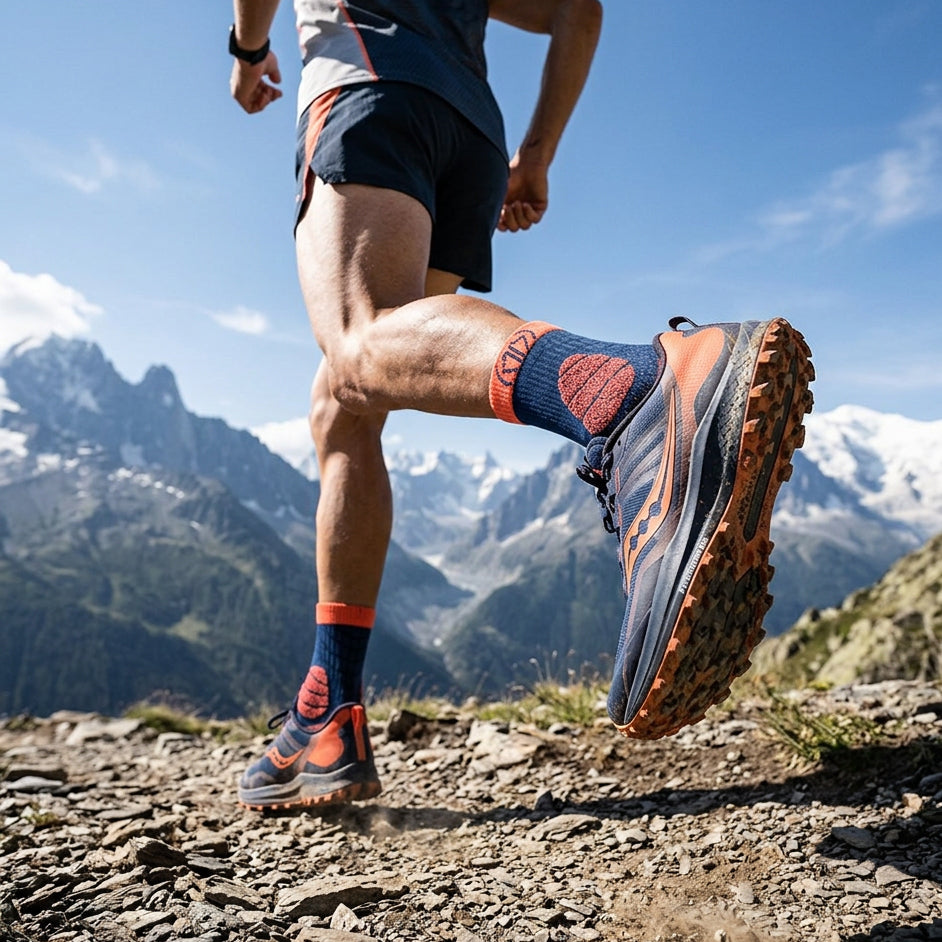
Long-distance comfort & reduced fatigue — Less friction, good moisture wicking, targeted cushioning, arch support — all of which promote lasting comfort, even on long runs or ultras.
-
Versatile use depending on conditions — Whether for a short trail run, a trail hike, an ultra, in summer, mid-season or in changing conditions, trail socks adapt: ventilation, thermal regulation, quick drying, protection against moisture/terrain.
Who are these trail socks for?
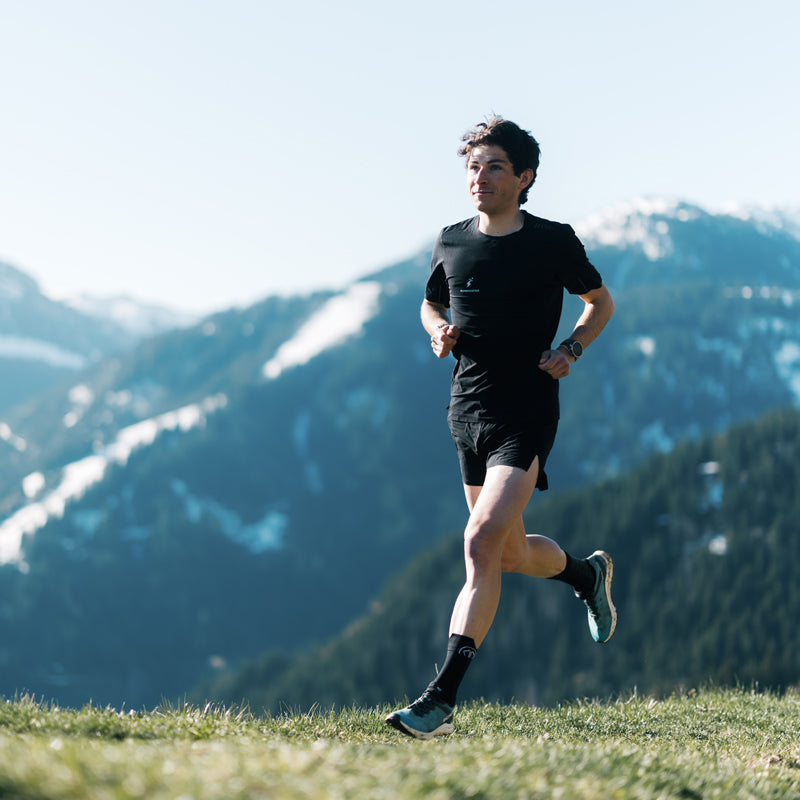
- Regular or occasional trail runners — on technical trails, forest paths, mountains, mixed terrain.
- Those who go on long runs, trek-running, ultras, trail running, or combine trail running and hiking.
- Runners who are prone to blisters, irritation, chafing or poor moisture wicking — or who want to avoid them.
- For those looking for comfort + durability + versatility: an effective accessory for trail running, but also suitable for hiking, walking, travelling and outdoor activities.
- For those who want to optimise the combination of ‘shoes + socks + terrain’ to perform well, avoid injuries and prolong the enjoyment.
Expert advice & best practices
- Choose the right sock for the conditions — in summer or on dry trails: lightweight, breathable, quick-drying socks; in wet terrain or on long outings: slightly thicker, but technical socks (moisture wicking, quick-drying, comfortable).
-
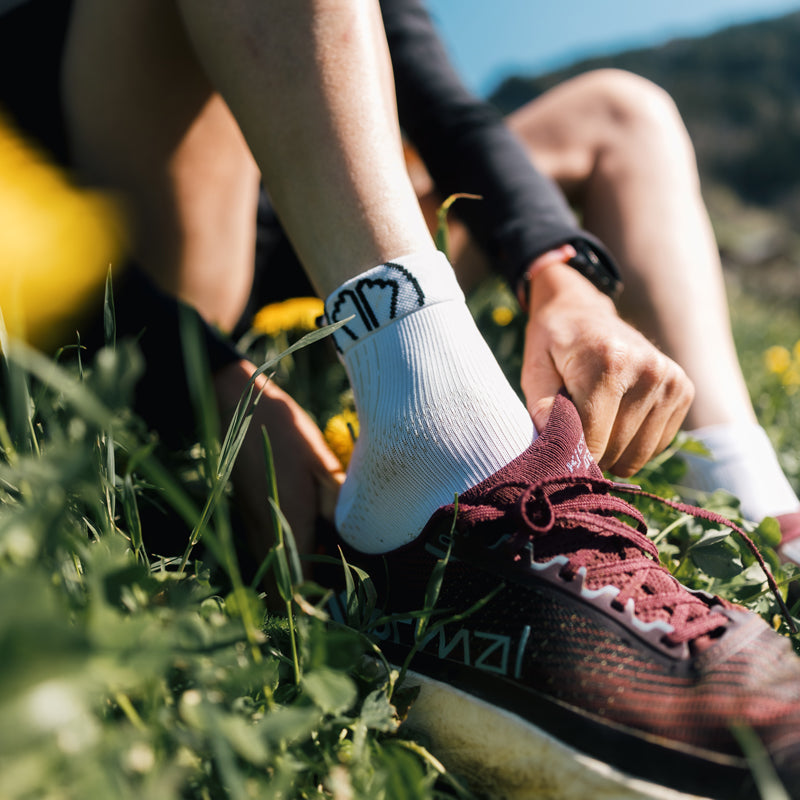
Check the fit and adjustment — the sock should fit snugly without creasing or slipping: a poor fit increases the risk of blisters and reduces comfort.
- Pay attention to sensitive areas — heel, forefoot, area between the toes: reinforcements or flat/seamless seams prevent rubbing and injuries.
-
Care for your socks properly—gentle wash, air dry, avoid fabric softener/tumble dryer to preserve elasticity, breathability and lifespan.
- Match your socks to your shoes and the terrain—socks + shoes + insoles must be compatible to ensure comfort, support and performance.


